

Registering a car in California is a crucial step for any new owner, ensuring legal compliance and facilitating smooth operation on the state’s roads. However, navigating the process can be daunting, given the complex web of regulations and requirements. This authoritative guide aims to demystify the car registration procedure, with a special focus on the essential DMV VIN verification process. By following these detailed steps, you’ll gain the confidence and knowledge needed to successfully register your vehicle in California, ensuring a seamless and stress-free experience.
- Prepare Required Documents for Car Registration
- Visit California DMV: Step-by-Step Guide
- Understand Fees and Payment Options
- Perform DMV VIN Verification for Accuracy
- Finalize Registration and Obtain Necessary Documents
Prepare Required Documents for Car Registration

To register a car in California, you’ll need to gather essential documents for a smooth process. One critical step is ensuring your Vehicle Identification Number (VIN) is accurately verified by the California Department of Motor Vehicles (DMV). This verification ensures the vehicle’s history and authenticity, which is crucial for safety and legal compliance. Begin by obtaining a valid registration application form from any DMV field office or downloading it from their official website.
The process starts with gathering key documents, including proof of ownership, such as a title certificate or bill of sale, and valid identification like a driver’s license or state-issued ID card. Additionally, you’ll require current auto insurance proof and a completed and signed DMV form 137 (Application for Title and Registration). For out-of-state vehicles, you might need to provide an out-of-state registration or release of liability form. It’s advisable to check the DMV’s specific requirements based on your vehicle’s origin and age.
Consider utilizing a mobile VIN verification service to streamline this process. These services allow you to quickly and conveniently check your vehicle’s history using just your smartphone. A simple online search for “mobile vin verifier” can provide access to reliable tools that offer real-time data, including accident reports, odometer readings, and previous ownership details. This step ensures the vehicle meets California’s standards before submitting your registration application at a DMV office or by mail.
Visit California DMV: Step-by-Step Guide

To register your car in California, you’ll need to visit a California DMV (Department of Motor Vehicles) office. This process involves several steps, including providing necessary documents, passing emissions tests, and completing a vehicle inspection. The latter includes a critical DMV VIN verification, which ensures that the Vehicle Identification Number (VIN) matches the vehicle’s actual make, model, and year.
First, gather all required documents, such as your driver’s license, proof of insurance, and the title to your vehicle. When you arrive at the DMV, locate the specific counter for vehicle registration. A representative will guide you through the process, which includes filling out application forms and providing proof of identification and residency. During this time, you’ll also be required to present your car for a vin inspection. This involves a thorough checking of your vehicle’s VIN, usually done using specialized tools by a trained professional.
If you’re unable to visit a DMV in person, consider utilizing mobile vin verification services. These options, provided by some trusted vin inspection companies, allow you to get the necessary VIN checks remotely. This can be particularly useful if your vehicle is located at an inconvenient place or if you have limited mobility. According to recent data, over 50% of California residents prefer mobile services for their convenience and efficiency.
Once your car passes all required inspections, including DMV VIN verification, the DMV will process your registration application. They’ll issue a registration certificate and a license plate, which you can display on your vehicle. It’s crucial to follow up with any additional requirements, like updating your insurance records or setting up a vehicle tax payment plan, as per California state regulations. This comprehensive guide ensures that you navigate the DMV vin verification process smoothly and efficiently.
Understand Fees and Payment Options

Registering a car in California involves several steps, with understanding fees and payment options being a crucial aspect. The California Department of Motor Vehicles (DMV) charges specific fees for vehicle registration, which vary based on factors like the type of vehicle and its age. As of recent updates, expect to pay around $50 for a standard registration, with surcharges applicable for late renewals or certain high-emission vehicles. Payment options include cash, major credit cards, debit cards, and checks, offering flexibility for California residents.
One key step in the process is the DMV’s requirement for Vehicle Identification Number (VIN) verification. This ensures the vehicle’s authenticity and plays a vital role in preventing fraud. A standard VIN inspection can be conducted at a DMV office or through mobile vin verification services. The latter option, provided by specialized companies, allows you to complete the verification process remotely, saving time and effort. For instance, many mobile vin verifiers charge a small fee for this service, which compares your vehicle’s VIN against national databases to confirm its history and condition.
Understanding these fees and payment options is essential before initiating the registration process. It’s recommended to check the DMV website or contact a local office for the latest fee structures and guidelines. Additionally, exploring mobile vin verification services can streamline the initial steps, ensuring your application starts on a strong, accurate note. By being prepared with these details, California residents can ensure a smoother registration experience.
Perform DMV VIN Verification for Accuracy
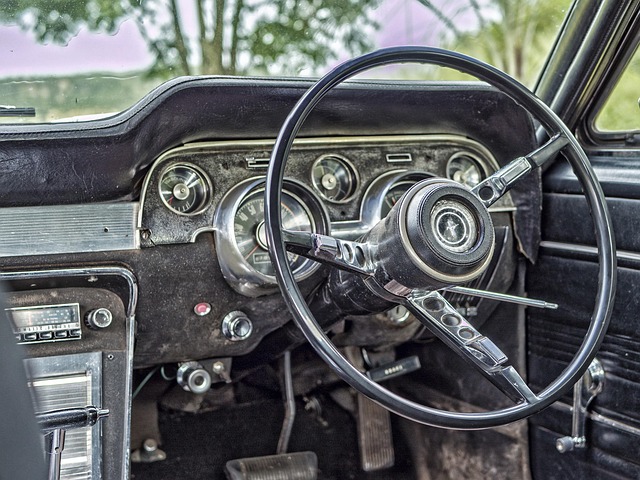
When registering a car in California, ensuring the Vehicle Identification Number (VIN) is accurate is crucial. The DMV VIN verification process plays a pivotal role in this, as it confirms the vehicle’s history and authenticity, guarding against fraud and ensuring safety standards are met. This step goes beyond simply checking a few numbers; it involves a thorough inspection that includes cross-referencing with national databases to uncover any hidden issues or discrepancies.
For instance, California’s Department of Motor Vehicles (DMV) utilizes advanced systems to facilitate mobile VIN verification, enabling inspectors to perform these checks on-site during registration. This is particularly beneficial for both consumers and dealers, as it streamlines the registration process and reduces potential errors or delays caused by inaccurate documentation. Mobile VIN inspection services, such as those provided by verified third-party apps, offer another layer of convenience and precision, allowing owners to verify their vehicle’s details even before setting foot at a DMV office.
Given the significance of accurate VIN data, it’s advisable for car owners in California to familiarize themselves with the available mobile VIN verification tools. By leveraging these technologies, individuals can proactively ensure that their vehicle information is correct, thereby simplifying registration and enhancing peace of mind. This proactive approach not only saves time but also contributes to a safer and more transparent automotive ecosystem within the state.
Finalize Registration and Obtain Necessary Documents

After completing the initial registration process, it’s time to finalize your vehicle’s registration and obtain all the necessary documents. This crucial step ensures that your car is legally registered and ready for California’s roads. The first order of business is to have your Vehicle Identification Number (VIN) verified by a recognized authority, which in California means the Department of Motor Vehicles (DMV).
A DMV VIN verification ensures that the vehicle’s details match the provided information during registration. This process verifies ownership and prevents fraud or theft. It can be done at a local DMV office or, for added convenience, through mobile vin inspection services. These mobile verifiers offer a seamless experience by coming to your location, which is particularly beneficial for those with busy schedules. The verification involves checking the VIN against the vehicle’s make, model, and year to ensure accuracy, and it’s a mandatory step in the registration process.
Once your VIN is successfully verified, you’ll receive your registration documents. These include a Registration Certificate and a Vehicle Ownership Certificate. Keep these documents secure as they serve as legal proof of ownership and registration. It’s wise to consider creating digital copies for easy access and backup purposes. Additionally, ensure that any liens or security interests on the vehicle are noted on these documents.
If you opt for mobile vin inspection services, be sure to choose a reputable provider. With the rise in remote work, these services have gained popularity, offering convenience and time-saving benefits. However, always verify their credentials and ensure they provide secure data transmission for your peace of mind.
By meticulously preparing required documents, following a structured approach to visit the California DMV, understanding fee structures and payment options, ensuring accurate DMV VIN verification, and finalizing registration with all necessary documentation in hand, you streamline the car registration process. This comprehensive guide equips you to navigate the procedures confidently, assuring compliance and peace of mind. Embracing these key insights is your first step towards a seamless and successful car registration experience in California.