

Looking to register your car in California? This comprehensive guide will walk you through the entire process, ensuring a smooth transition. First, understand the essential requirements for car registration in the Golden State. Next, gather all necessary documents, including proof of ownership and insurance. Learn how to verify your vehicle’s crucial VIN (vehicle identification number) using reliable tools. Then, complete the California car registration application step-by-step. Finally, pay the required fees promptly. With our detailed instructions, including tips on effective VIN verifier usage, you’ll navigate this process like a pro!
- Understand the Requirements for Car Registration in California
- Gather Necessary Documents for Car Registration
- How to Verify the Vehicle's VIN (Vehicle Identification Number)
- Complete the California Car Registration Application Process
- Pay the Required Fees for Car Registration in California
Understand the Requirements for Car Registration in California

Before you begin the registration process, it’s crucial to understand what’s required for car registration in California. The Golden State has specific guidelines and regulations that all vehicle owners must adhere to. One key aspect is ensuring your vehicle meets safety and emission standards through a thorough vin inspection. This involves verifying the Vehicle Identification Number (VIN) to confirm the vehicle’s authenticity and history, which can be efficiently handled by utilizing a mobile vin verifier for convenience.
Additionally, you’ll need to supply essential documentation, including proof of ownership, current insurance, and identification. A valid driver’s license or state-issued ID is typically required. For out-of-state residents, registering your car in California may involve additional steps, such as proving that the vehicle meets local standards through a vin inspection conducted by a mobile vin verifier.
Gather Necessary Documents for Car Registration

Before you start the registration process, it’s crucial to gather all the essential documents required by the California Department of Motor Vehicles (DMV). This includes your vehicle’s Registration Application (Form DVF-1), a valid driver’s license, proof of insurance, and perhaps most importantly, your Vehicle Identification Number (VIN) from your car’s registration certificate or title. A VIN verifier can be used to ensure the accuracy of this crucial number, which is vital for identifying your vehicle.
Additionally, you may need proof of ownership, such as a bill of sale or purchase agreement, especially if purchasing a used car. For convenience, consider opting for a mobile VIN inspection or verification service that can accurately and swiftly validate your vehicle’s details, saving you time during the registration procedure at a California DMV office.
How to Verify the Vehicle's VIN (Vehicle Identification Number)

To verify the Vehicle Identification Number (VIN) accurately, start by locating it on your car. The VIN is typically found on a metal plate at the driver’s side door frame or under the hood. Once located, use a reliable vin verifier to check its authenticity. Many online tools and mobile vin verification apps are available for this purpose. These services cross-reference your VIN with national databases to ensure it matches the manufacturer’s records.
For added convenience, consider utilizing a mobile vin inspection service. This allows you to confirm the VIN’s validity from the comfort of your home or even before visiting a registration center. A quick and accurate VIN check is essential during the car registration process in California, ensuring that all vehicle details are correct before finalizing the paperwork.
Complete the California Car Registration Application Process

To complete the California Car Registration Application Process, gather all necessary documents before beginning. This includes your vehicle’s registration certificate from the previous state, proof of insurance, and a valid driver’s license. Next, access the official California Department of Motor Vehicles (DMV) website to download and fill out Form DV-140, which is the California Car Registration Application. Ensure all information is accurate, including your Vehicle Identification Number (VIN), which can be verified through a mobile vin inspection or by using an online vin verifier.
After completing the application, schedule an appointment at your local DMV or consider utilizing their online services for registration. Bring your filled-out application, along with required documents and fees, to the appointment. If you prefer a more convenient option, many third-party services offer mobile vin inspection and registration assistance, streamlining the process further.
Pay the Required Fees for Car Registration in California
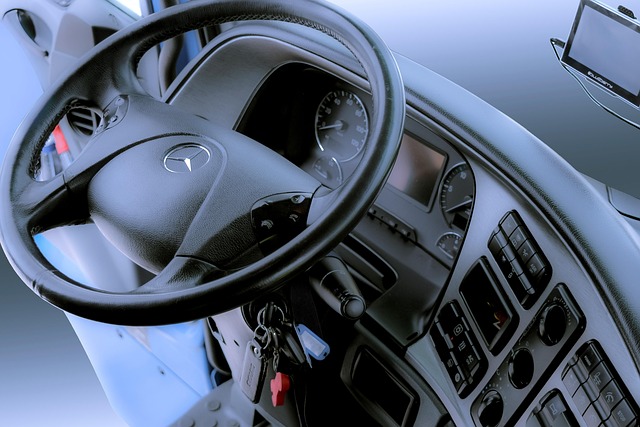
To register your car in California, you’ll need to pay several fees, which can vary depending on the type and age of your vehicle. The process typically begins with a comprehensive inspection that includes a VIN (Vehicle Identification Number) verifier or mobile VIN inspection. This step ensures your car meets safety and emissions standards. Once your vehicle passes the inspection, you’ll be directed to pay fees such as the registration fee, title transfer fee, and vehicle tax. These charges can be paid online, by mail, or in person at a California Department of Motor Vehicles (DMV) office.
Additionally, if you’re purchasing a used car, there might be other costs involved, like a document preparation fee or a smog test, especially for older models. Always ensure you have all the necessary documentation and fees ready to streamline the registration process. Consider using a mobile VIN verifier to simplify the initial inspection step, as it allows for quick verification of your vehicle’s history and condition from the comfort of your home.
Registering a car in California is a straightforward process that requires understanding the necessary steps and gathering the right documents. By following these guidelines, including how to use a VIN verifier, completing the application form, and paying the associated fees, you can ensure a smooth registration experience. Remember to keep your registration up-to-date to avoid any legal issues and maintain a safe driving environment.