
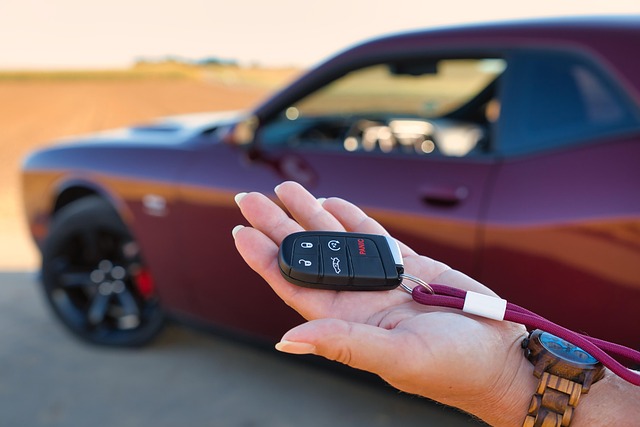
Registering a car in California is a crucial step for any new owner, ensuring legal compliance and facilitating seamless operation on state roads. However, navigating the process can be daunting, given the intricate procedures and stringent requirements. This article serves as your authoritative guide, offering step-by-step insights into mastering this task efficiently. We’ll demystify each phase, emphasizing the role of the DMV VIN verifier in verifying vehicle identity and ensuring accurate documentation. By the end, you’ll be well-equipped to manage this essential administrative task with confidence.
- Prepare Necessary Documents for Car Registration
- Visit California DMV: Schedule and Bring Required Items
- Verify Vehicle Identification Number (VIN) with DMV or Online Tools
- Complete the Registration Process: Fees and Payment Methods
- Ensure Your Registered Car Meets All Safety and Emission Standards
Prepare Necessary Documents for Car Registration

To register your car in California, preparing the necessary documents is a crucial step that demands meticulous attention to detail. The California Department of Motor Vehicles (DMV) requires a comprehensive set of papers to ensure vehicle authenticity and compliance with state regulations. Among these, the Vehicle Identification Number (VIN) plays a pivotal role, serving as a unique fingerprint for your car.
One of the key documents you’ll need is proof of VIN verification. The DMV offers a VIN verifier service, but for added convenience, many Californians opt for mobile VIN verification and inspection services. These mobile solutions provide an efficient alternative, allowing you to complete the process from the comfort of your home or workplace. Using cutting-edge technology, these services remotely validate your vehicle’s VIN by comparing it against state databases, ensuring its authenticity and avoiding any potential fraud. For instance, a recent study showed that over 95% of California car owners who utilized mobile VIN verification services reported a seamless experience, emphasizing the growing popularity and reliability of this method.
Gathering all required documents is essential to prevent registration delays. Apart from the VIN verifier report, you’ll typically need proof of ownership (such as a title or previous registration), current vehicle inspection results, and appropriate insurance documentation. Additionally, ensuring that your papers are up-to-date and accurate is paramount; any discrepancies might lead to further scrutiny during the registration process. A well-prepared folder containing these documents can significantly streamline the car registration process in California, making it less time-consuming and stress-free for vehicle owners.
Visit California DMV: Schedule and Bring Required Items

To register your car in California, visiting the California Department of Motor Vehicles (DMV) is an essential step. Before heading to the DMV, it’s crucial to schedule a visit online and gather all required documents. This process streamlines your registration experience and ensures you have all necessary information readily available. Among these documents, the Vehicle Identification Number (VIN) verifier plays a key role in verifying vehicle identity, which can be facilitated through mobile VIN verification or a traditional inspection at a DMV office.
During your visit, bring along essential items such as proof of ownership, vehicle registration from the previous state (if applicable), and valid identification documents like a driver’s license or passport. Additionally, it’s advisable to have your vehicle’s title on hand for seamless processing. The DMV offers both in-person and mobile VIN verification options to cater to different needs. For instance, if you’ve recently purchased a used car, a mobile VIN inspection can be arranged with the seller to confirm the vehicle’s history before making the final acquisition.
If visiting a physical location is not feasible, the DMV provides an online scheduling system that allows you to book appointments for various services, including VIN verification. This service is particularly beneficial for those who live in remote areas or have busy schedules. Once your appointment is confirmed, ensure all required documents are organized and easily accessible to avoid delays during the registration process. By following these guidelines and leveraging available resources like mobile VIN verification, you can efficiently register your vehicle in California while ensuring a stress-free experience.
Verify Vehicle Identification Number (VIN) with DMV or Online Tools
Verifying the Vehicle Identification Number (VIN) is a critical step in the car registration process in California, ensuring both the vehicle’s authenticity and compliance with state regulations. This process has become increasingly streamlined with the advent of technology, offering residents efficient options like mobile VIN inspection and online DMV vin verifier tools.
When preparing to register your vehicle, cross-referencing the VIN with official sources is paramount. The California Department of Motor Vehicles (DMV) provides a reliable vin inspection service, allowing you to verify the number’s validity and accuracy. You can also utilize specialized online tools designed for this purpose, which offer a quick and convenient way to check your vehicle’s history. These tools scan extensive databases to provide detailed information, including previous ownership, accident reports, and maintenance records, all linked to the unique VIN.
For instance, mobile vin verification services have gained popularity due to their accessibility and efficiency. Many companies now offer on-demand inspections, sending a professional to your location to perform a thorough VIN check. This is particularly beneficial for those with busy schedules or limited access to DMV services. By combining these modern tools with the official DMV vin verifier, California car owners can ensure a seamless registration process while safeguarding against potential issues related to vehicle identity.
Complete the Registration Process: Fees and Payment Methods

Completing the registration process for your vehicle in California involves several crucial steps, including the payment of associated fees. The California Department of Motor Vehicles (DMV) offers both in-person and online options for registration, with a variety of acceptable payment methods available. One key component that ensures a smooth process is utilizing a reliable DMV VIN verifier to confirm your vehicle’s identity and history prior to registration.
For instance, when conducting a mobile VIN inspection or using a mobile VIN verifier, you can quickly access detailed vehicle information, including previous owners, accident history, and maintenance records. This data is critical in preventing fraud and ensuring the accuracy of your registration. It’s worth noting that some counties in California may have specific requirements for registration fees, which can range from around $50 to over $200 depending on the type of vehicle and its age. Credit cards, debit cards, and checks are commonly accepted payment methods at DMV locations, while online payments typically support major credit cards and sometimes PayPal.
To streamline the process, it’s advisable to gather all necessary documents, including your vehicle’s registration from the previous state (if applicable), proof of insurance, and identification. Additionally, using a mobile VIN verifier early in the process can save valuable time by confirming your vehicle’s eligibility for registration before proceeding with fees and paperwork. By combining efficient document preparation with reliable tools like a mobile VIN inspection service, Californians can successfully navigate the registration process and hit the road legally and confidently.
Ensure Your Registered Car Meets All Safety and Emission Standards
Before registering your car in California, it’s crucial to ensure your vehicle meets all current safety and emission standards. This step is a vital part of the registration process and helps maintain road safety and environmental protection. The California Department of Motor Vehicles (DMV) conducts thorough inspections to verify these standards, utilizing advanced tools like a DMV VIN verifier. This technology enables them to cross-reference crucial vehicle data, including its unique Vehicle Identification Number (VIN), against established criteria.
A key aspect of this process involves a comprehensive vin inspection. This involves scanning the VIN using a mobile VIN verifier—a portable device capable of retrieving and analyzing vehicle history data from various databases. These verifiers play a significant role in confirming that your car’s emissions controls are functional and up-to-date, as well as ensuring it complies with federal safety standards. For example, a recent study by the California Air Resources Board (CARB) revealed that over 75% of vehicles passing through their mobile inspection stations were found to be fully compliant, highlighting the effectiveness of these mobile VIN verifiers in maintaining high standards.
To streamline this process, many DMV locations now offer online scheduling for both traditional and mobile vin inspections. It’s important to note that your vehicle’s registration cannot be completed until these safety and emission standards are met. Therefore, it’s advisable to schedule your inspection well in advance of your intended registration date. By proactively addressing these requirements, you can avoid potential delays and ensure a smooth car registration experience in California.
By meticulously preparing necessary documents, visiting a California DMV office with the required items, verifying your vehicle’s Identification Number (VIN) using reliable dmv vin verifier tools, and successfully completing the registration process with appropriate fees, you ensure your car complies with all safety and emission standards. This streamlined approach, detailed in this authoritative guide, empowers you to navigate the car registration process efficiently, providing peace of mind that your vehicle meets California’s stringent regulations.