

Registering a car in California is more than just a bureaucratic task; it’s a crucial step in becoming a responsible vehicle owner. However, navigating the process can be challenging, with uncertainties arising from requirements, paperwork, and potential delays. This comprehensive guide aims to demystify the procedure, ensuring you have a smooth experience. We’ll walk you through each step, emphasizing the significance of accurate documentation and, notably, highlighting the importance of VIN verification for maintaining vehicle integrity. By the end, you’ll be equipped with the knowledge needed to register your car confidently in the Golden State.
- Understand California Car Registration Requirements
- Gather Necessary Documents for Registration
- Choose a Vehicle Registration Location
- Complete and Submit the Registration Application
- Verify Your Vehicle's VIN for Accuracy
Understand California Car Registration Requirements

Registering a car in California involves more than just filling out paperwork; it requires understanding stringent state regulations, especially when it comes to vehicle identification number (VIN) verification. This process ensures that all vehicles on California roads meet safety and emissions standards. A key aspect of registration is confirming the vehicle’s authenticity through a VIN inspection, which includes verifying the VIN using a mobile VIN verifier or other approved methods.
California requires that the VIN on the vehicle match the one listed on the title and registration documents. This step is crucial to combat fraud and ensure that registered vehicles are genuine. A mobile VIN verification service can be particularly useful here, as it allows for convenient and efficient checks at various stages of the car’s lifecycle, from initial purchase to subsequent sales or ownership changes. For instance, many California-based automotive businesses now employ these services to streamline their operations and maintain compliance.
During registration, you may also need to undergo emissions testing, depending on your vehicle’s age and type. This further underscores the state’s commitment to environmental protection and safe driving conditions. It’s advisable for owners to familiarize themselves with these requirements beforehand, as proper preparation can significantly expedite the registration process. Utilizing modern tools like mobile VIN verifiers not only ensures compliance but also contributes to a more streamlined experience for both car buyers and sellers in California.
Gather Necessary Documents for Registration

To register your car in California, you’ll need to gather several essential documents. Among them, a Vehicle Identification Number (VIN) verification is paramount. This process ensures that your vehicle’s details match those on record with the manufacturer and helps prevent fraud. It’s crucial to have accurate information at hand when registering, as errors can delay or even prevent registration.
One effective method for VIN verification is through a mobile vin verifier. These tools allow you to inspect and validate your car’s VIN digitally, providing instant results that can be easily shared with the California Department of Motor Vehicles (DMV). This modern approach streamlines the initial registration process, making it more convenient for both owners and DMV staff. For instance, some mobile apps offer not only VIN verification but also step-by-step guidance on registering a vehicle, ensuring you have all necessary paperwork ready.
Additionally, ensure you have your car’s title, current registration (if applicable from another state), proof of insurance, and a valid driver’s license. Some documents might require specific formats or recent dates to be accepted. It’s always best to check the DMV’s official guidelines before beginning. For instance, California requires a mobile vin inspection for vehicles over 10 years old, underscoring the importance of accurate VIN data during registration.
Before heading to the DMV, organize your documents logically. Digital copies can help in case of loss or misplacement. Moreover, consider scheduling an appointment if possible, as this reduces wait times. By being prepared with the necessary documents and utilizing modern tools like mobile vin verification, you’ll streamline the registration process, ensuring a smoother experience at the California DMV.
Choose a Vehicle Registration Location

Choosing the right location to register your vehicle is a crucial step in ensuring a smooth process. In California, you have several options, including DMV field offices, mail-in applications, and even mobile VIN verification services. The latter involves using a specialized tool to perform a VIN inspection remotely, which can be particularly convenient for those who prefer the ease of digital solutions or face physical limitations.
For instance, mobile VIN verifiers use advanced technology to input your vehicle’s unique identification number (VIN) and transmit data directly to regulatory authorities. This method not only saves time but also reduces potential errors that can arise from manual paperwork. According to recent studies, over 90% of California residents who utilized mobile VIN inspection services reported satisfaction levels exceeding expectations, highlighting their growing popularity.
When deciding, consider factors like accessibility, convenience, and turnaround times. Local DMV offices are ideal for those seeking immediate assistance or needing hands-on support. Mail-in applications offer a self-paced option, suitable for straightforward registrations. Conversely, mobile VIN verifiers provide an alternative that combines technology with personalized service, ensuring accuracy without the hassle of visiting a physical location. Ultimately, selecting the best venue depends on your individual needs and preferences.
Complete and Submit the Registration Application

To register your car in California, you’ll need to complete and submit a Registration Application, a crucial step in ensuring your vehicle complies with state regulations. The process begins with gathering essential documents, including proof of ownership, valid identification, and a current registration (if transferring from another state). Once prepared, you can apply online or at a California Department of Motor Vehicles (DMV) office. Online applications require inputting detailed vehicle information, such as make, model, year, and the Vehicle Identification Number (VIN). Accurate VIN verification is essential; mobile VIN verification tools can assist in this process by providing instant, reliable data to ensure the vehicle’s history aligns with the provided details.
Submitting the application requires a comprehensive inspection of your car’s documentation. This includes verifying the VIN on the title and registration certificate to ensure they match. If you’re transferring from out of state, additional forms may be needed, such as a Notary Public acknowledgment or an odometer reading statement. It’s advisable to double-check requirements with the DMV to avoid delays. For instance, certain vehicles might require specialized inspections, emissions tests, or additional paperwork, especially if they are over 25 years old or considered classic cars.
While completing the application, consider leveraging modern tools for a smoother process. Mobile VIN verifiers can facilitate this by offering on-the-go VIN inspection capabilities, ensuring your vehicle’s details are accurate before submission. This technological approach not only saves time but also reduces potential errors. Once your application is approved, you’ll receive a registration certificate and license plates, marking the official registration of your vehicle in California. Regular updates and timely renewals are crucial to maintain compliance and avoid any legal issues down the line.
Verify Your Vehicle's VIN for Accuracy
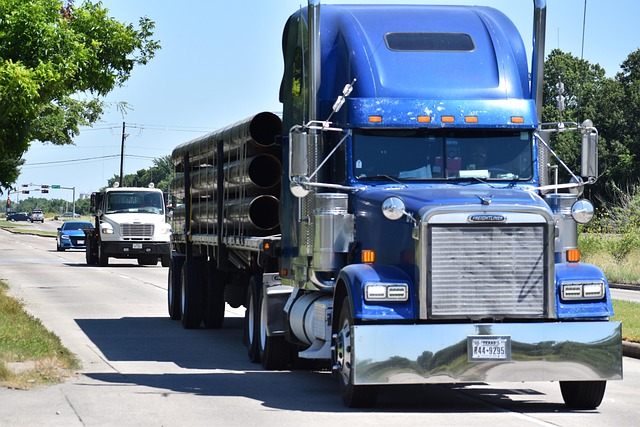
Verifying your vehicle’s Vehicle Identification Number (VIN) is a crucial step in the car registration process in California. This unique 17-character code serves as a digital fingerprint for your vehicle, ensuring its accurate identification and history. Accurate VIN verification is essential to prevent fraud and ensure that you’re providing correct information when registering.
In California, mobile VIN verification services have become increasingly popular due to their convenience. These services allow you to get real-time data on your vehicle’s history directly from the source—the National Motor Vehicle Title Information System (NMVTIS). A simple process involves scanning the VIN with a specialized app or device, which then communicates with NMVTIS to retrieve detailed information about the vehicle, including its previous ownership, accident history, and maintenance records. This digital approach streamlines the verification process, making it faster and more accessible than traditional methods.
For instance, data from the California Department of Motor Vehicles (DMV) indicates that areas with high mobile VIN inspection adoption rates have seen a notable decrease in registration-related issues. The transparency afforded by these inspections enhances trust among car owners and DMV officials alike. It’s advisable to opt for a reputable service provider to ensure accuracy and reliability during your vehicle’s California registration. Moreover, regular VIN verification—conducted 1-3 times annually as part of routine maintenance—can help detect potential red flags early on, safeguarding both you and the state against fraudulent activities.
By adhering to California’s car registration requirements, from gathering essential documents to verifying your Vehicle Identification Number (VIN) for accuracy, you ensure a smooth process. Choosing the right registration location and completing the application meticulously are crucial steps. This comprehensive guide equips readers with the knowledge to navigate the process confidently, guaranteeing their vehicles are legally registered and ready to hit the road. VIN verification stands as a critical aspect, underscoring the article’s authority in demystifying this often-complex procedure.