

Looking to register your car in California? This comprehensive guide breaks down every step, from understanding key requirements to completing the process smoothly. We’ll walk you through gathering essential documents, including a crucial VIN verification for accurate identification. Learn whether you should use the DMV or third-party services and discover the fees involved. By following these steps, registering your vehicle in California becomes a straightforward task.
- Understanding California Car Registration Requirements
- Gather Necessary Documents for Registration
- Perform Vehicle Identification Number (VIN) Verification
- Choose a Registrar: DMV or Third-Party Service
- Complete the Registration Process and Pay Fees
Understanding California Car Registration Requirements

Understanding California Car Registration Requirements
In California, registering a car involves several key steps, including ensuring that your vehicle meets all safety and environmental standards. One crucial aspect is the Vehicle Identification Number (VIN) verification process. This step is essential to ensure that your car’s unique identifier matches the information on record with the Department of Motor Vehicles (DMV). A mobile vin verifier or a vin inspection conducted by a certified professional can help streamline this process, making it easier for both owners and DMV officials.
During registration, you’ll need to present valid documentation, such as proof of insurance, a clean driving record, and possibly additional paperwork depending on your vehicle’s age and type. Additionally, the state requires that all vehicles pass an emissions test to comply with environmental regulations. By understanding these requirements and utilizing services like mobile vin inspection, California car owners can ensure a smooth registration process and stay up-to-date with their vehicle’s legal standing.
Gather Necessary Documents for Registration
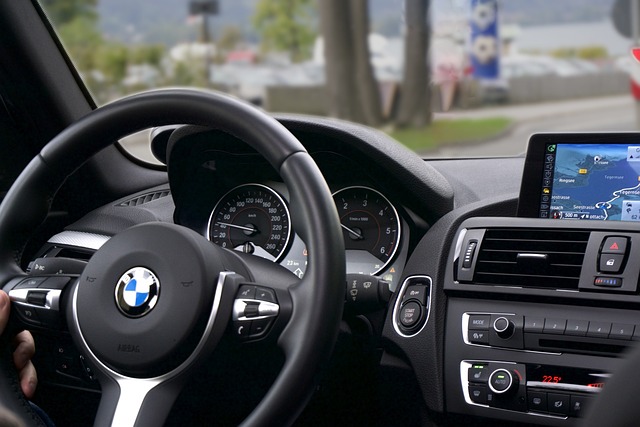
Before you begin the registration process, it’s crucial to gather all the essential documents. In California, you’ll need to provide proof of vehicle ownership, typically through a valid bill of sale or a previous registration certificate. Additionally, the Vehicle Identification Number (VIN) verification is a critical step in ensuring the accuracy of your car’s information. This can be done with the help of a mobile VIN verifier, which allows for a quick and convenient inspection of your vehicle’s history.
Ensure you have your driver’s license or state-issued ID on hand, as well as any relevant insurance documents. The registration process may also require proof of residency, so consider carrying recent utility bills or lease agreements to streamline the procedure. A mobile VIN inspection can be particularly useful in California, where a significant number of vehicles pass through hands each year, ensuring that every car is accurately registered and all historical data is accounted for.
Perform Vehicle Identification Number (VIN) Verification
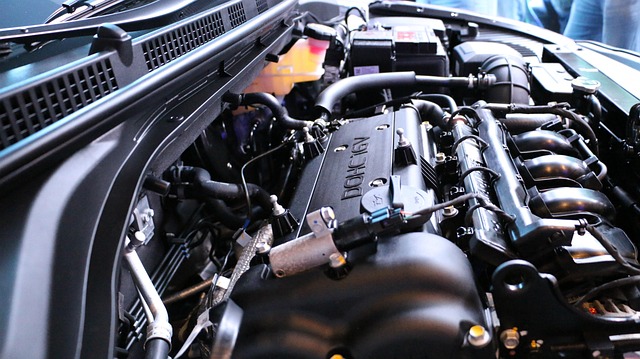
Before you begin the registration process, it’s crucial to perform a Vehicle Identification Number (VIN) verification. This step ensures that your vehicle’s details match the information on record and is an essential part of ensuring a smooth registration experience in California. A VIN inspection cross-references the unique identifier with state databases to verify ownership, check for any outstanding issues or recalls, and confirm that the vehicle meets all legal standards.
Consider using a mobile vin verifier for convenience. These services allow you to complete the verification process quickly and efficiently from the comfort of your own home or even while you’re on the go. A simple online search for “mobile vin verification” in California can connect you with reliable providers who offer this service, making it an easy addition to your pre-registration checklist.
Choose a Registrar: DMV or Third-Party Service

When registering your car in California, one of the first steps is to decide between using the Department of Motor Vehicles (DMV) or a third-party service. Both options have their advantages and disadvantages, but selecting the right choice can make the registration process smoother and potentially save you time and money.
The DMV offers convenient hours and locations across the state, making it easy for most California residents to visit in person. They also provide an online registration system, allowing you to submit your application digitally. However, during peak times, waiting times at DMV offices can be lengthy due to high demand. Alternatively, third-party services, often mobile vin verifiers, offer a more efficient and sometimes cost-effective solution. These services conduct a thorough vehicle inspection, including VIN verification, using advanced technology and qualified specialists, ensuring a faster turnaround time compared to traditional DMV procedures.
Complete the Registration Process and Pay Fees
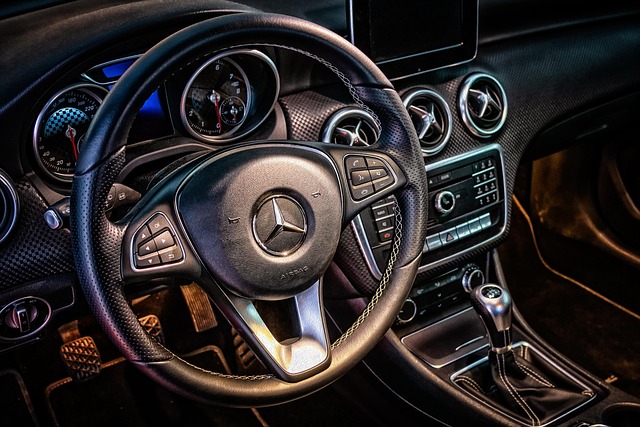
After gathering all the necessary documents and ensuring your vehicle meets California’s requirements, it’s time to complete the registration process. Visit a California Department of Motor Vehicles (DMV) office or use their online services to submit your application. This typically involves providing proof of identity, residency, insurance, and vehicle ownership through a vin verification. For added convenience, many services now offer mobile vin verification, allowing you to confirm your vehicle’s identification number (VIN) using just your smartphone.
During this step, you’ll also be required to pay the appropriate registration fees. These fees vary based on several factors, including your vehicle’s type and age. Once all documentation is in order and fees are paid, you’ll receive your official registration papers and license plate stickers. Don’t forget to display these on your vehicle as required by California law for legal driving privileges.
Registering a car in California involves understanding state requirements, gathering essential documents, and successfully completing the registration process. VIN verification is a critical step ensuring your vehicle’s authenticity. You can choose between the California DMV or third-party services for registration. Ensure all fees are paid to finalize the process promptly. By following these steps and staying organized with your documentation, you’ll have your car registered in no time.