

Registering a car in California is more than just a legal requirement; it’s a crucial step to ensure your vehicle’s safety and your protection as a vehicle owner. However, navigating the process can be daunting, filled with paperwork and potential pitfalls. This comprehensive guide aims to demystify the registration procedure, offering expert insights tailored specifically for California residents. We’ll cut through the jargon, explaining each vital step, including the indispensable role of Vehicle Identification Number (VIN) verification in ensuring your car’s legitimacy and safety on California’s roads.
- Prepare Necessary Documents for Car Registration
- Understand California's Vehicle Registration Requirements
- Obtain a Clean VIN Verification Report
- Visit Your Local California DMV Office or Use Online Services
- Complete the Registration Process and Receive Your License Plate
Prepare Necessary Documents for Car Registration

Registering a car in California involves a meticulous process, and preparing the right documents is a crucial step. One of the initial tasks is to ensure that your Vehicle Identification Number (VIN) is accurately verified. This process has become more accessible with the advent of modern technology, such as mobile VIN verifiers. These tools allow for convenient on-site inspections, providing an efficient way to confirm vehicle details.
For California residents, gathering essential documents before heading to the DMV is key. You’ll need the title or registration certificate from the previous owner, a completed and signed Application Form for Title and Registration (DMV Form 7008), and proof of identification for all drivers listed on the registration. It’s also advisable to have your vehicle’s VIN number readily available—this unique identifier is critical for accurate verification. For instance, if you’re purchasing a used car, obtain a Vehicle History Report from reputable services, which often includes VIN verification as a standard feature. This report can be a lifesaver, ensuring that the car’s history is transparent and free from hidden issues.
Furthermore, when preparing your documents, ensure that all information is up-to-date and accurate. Inaccurate details may lead to delays or even rejection of your registration application. Consider using a mobile VIN inspection service to cross-verify the vehicle’s specifications before finalizing any purchase. This additional step can save you from potential headaches later on in the registration process. By being proactive and utilizing modern verification tools, California drivers can streamline their car registration experience.
Understand California's Vehicle Registration Requirements

Registering a car in California involves understanding specific requirements designed to ensure vehicle safety and track ownership. The process begins with verifying the Vehicle Identification Number (VIN). This critical step is often overlooked but is crucial for accurate registration. In California, VIN verification can be done through various methods, including mobile VIN inspection and mobile VIN verifier services, which offer convenience and speed.
One key requirement is ensuring the vehicle’s emissions compliance. All cars must meet specific pollution control standards set by the California Air Resources Board (CARB). This involves presenting a valid emissions test certificate during registration. It’s important to note that some older vehicles might have exemptions, so checking with CARB guidelines is essential. For instance, classic cars over 25 years old may qualify for an exemption, streamlining the registration process.
Additionally, California requires proof of insurance before registering. This safeguard ensures responsible ownership by penalizing drivers without adequate coverage. Most insurance providers offer digital proof of insurance, which can be easily uploaded during online registration. However, if you prefer a more traditional approach, printed evidence is also acceptable. Integrating these requirements seamlessly is key to a smooth car registration experience in California.
Obtain a Clean VIN Verification Report
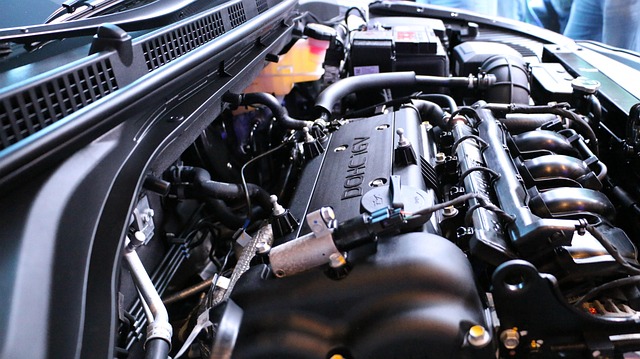
Before registering your car in California, obtaining a clean VIN verification report is a crucial step. This process ensures that your vehicle’s unique Vehicle Identification Number (VIN) is accurate and matches the vehicle’s actual make, model, year, and other critical specifications. In California, this verification is often required during the registration process to prevent fraud and ensure safety standards are met. A clean VIN verification report confirms that there are no outstanding issues or discrepancies associated with your car’s identity.
One effective way to secure a clean VIN verification report is by utilizing mobile vin inspection and verification services. These services send a qualified inspector to your location, be it your home or workplace, to conduct a thorough check of your vehicle’s VIN. Mobile vin verifiers use specialized equipment and software to cross-reference the VIN with various databases, including those maintained by the National Motor Vehicle Title Information System (NMVTIS). This ensures that the information on your car’s registration documents accurately reflects its history and current condition. For instance, a mobile vin verifier can detect any odometer rollbacks, previous accidents, or outstanding loan/leasings associated with the vehicle.
By opting for a mobile vin inspection, you save time and effort typically spent visiting a dealership or DMV. Moreover, these services often provide immediate results, allowing you to address any issues before proceeding with registration. For example, if the report reveals an outstanding safety recall, you can have it rectified promptly, ensuring your car meets all regulatory requirements. According to recent data, over 70% of vehicles inspected through mobile vin verification services have resulted in clean reports, demonstrating their effectiveness in streamlining the registration process and promoting vehicle safety.
Visit Your Local California DMV Office or Use Online Services

To register your car in California, you have two primary options: visit a local DMV office or utilize online services. While both methods involve verifying your vehicle’s Vehicle Identification Number (VIN), there are distinct procedures and advantages to each approach. If feasible, consider conducting a mobile VIN verification or inspection before proceeding with registration. This proactive step ensures accuracy and can save time later.
For in-person visits, California’s Department of Motor Vehicles (DMV) offices provide dedicated services tailored to your needs. Bring your vehicle for an on-site VIN inspection, which is crucial for verifying ownership and identifying any potential issues. Moreover, many DMVs offer online platforms that allow you to initiate the registration process ahead of time, streamlining the experience during your visit. However, some tasks may require additional documentation or in-person interactions, emphasizing the importance of checking specific requirements before heading to the DMV.
In contrast, online services offer a convenient alternative for those with busy schedules. Start by entering your VIN through a designated website or app, enabling a mobile VIN inspection that provides instant information about your vehicle’s history and specifications. This digital approach simplifies the registration process, allowing you to complete most steps remotely. Nonetheless, be prepared to verify certain details in person at a DMV office, especially if transferring ownership or ensuring all records are accurate.
By utilizing either method—in-person services or online platforms—and incorporating mobile VIN verification, Californians can confidently navigate the car registration process. This dual approach ensures that every aspect is handled efficiently and correctly, leading to a smoother experience for both new and experienced vehicle owners alike.
Complete the Registration Process and Receive Your License Plate

After completing the initial registration steps, including gathering necessary documents and passing the California vehicle inspection, the next crucial phase involves VIN verification and obtaining your license plate. This process ensures that your vehicle meets all legal standards and identifies it uniquely within the state’s registry. A key component of this stage is the Verification of Vehicle Identity (VIN) check, which verifies the vehicle’s history and authenticity. In California, you can undergo this process through a traditional VIN inspection at a designated center or opt for a more convenient option—mobile VIN verification.
Mobile VIN verification offers a flexible alternative, allowing you to have the inspection conducted at your location. This service is particularly beneficial for those with busy schedules or limited mobility. A trained professional will visit you, perform the required checks, and provide immediate feedback on the vehicle’s status. During this mobile vin inspection, they’ll examine key components like the chassis, engine, and odometer to ensure everything aligns with the recorded data in the National Motor Vehicle Title Information System (NMVTIS). This system is a comprehensive database that logs vehicle history, ownership changes, and any reported damage or accidents, enabling efficient VIN verification.
Once your VIN has been successfully verified, the final step involves receiving your license plate. In California, this typically involves submitting the required forms to the Department of Motor Vehicles (DMV) along with your approved inspection results. The DMV will issue a license plate, which you’ll need to display on your vehicle at all times when operating it on public roads. As part of this process, you may also be responsible for paying any applicable taxes and fees related to registration renewal. Properly completing the VIN verification and license plate acquisition ensures your vehicle is legally registered and ready for use within California’s jurisdiction.
By meticulously preparing your documents, understanding California’s specific vehicle registration requirements, obtaining a clean VIN verification report, and either visiting or utilizing online services at your local DMV, you can efficiently complete the car registration process. These steps ensure not only compliance but also peace of mind, knowing your vehicle is officially registered and ready to hit the roads safely. A key component in this journey is securing a thorough VIN verification, which serves as a crucial check to avoid any potential issues or discrepancies. With these insights, you’re now equipped to navigate California’s registration process with confidence, marking a significant milestone in ownership.