

Registering a car in California is a crucial step for any new owner, ensuring legal compliance and securing essential protections. However, navigating the process can be daunting, with its many requirements and potential complexities. This article serves as your comprehensive guide, equipping you with the knowledge to smoothly navigate the registration journey. We’ll demystify each step, from gathering necessary documents to utilizing the DMV’s online services, including their Vin Verifier. By following these expert insights, you’ll efficiently register your vehicle, ensuring a seamless and stress-free experience.
- Prepare Necessary Documents for Car Registration
- Visit California DMV: Step-by-Step Guide
- Understand Vehicle Identification Number (VIN) Verification
- Title Transfer and Smog Test Requirements
- Finalize Registration: Payment and License Plate Acquisition
Prepare Necessary Documents for Car Registration

Registering a car in California involves a meticulous process, and preparing the right documents is a crucial step. Before you begin, ensure you have all necessary paperwork ready to streamline the registration experience. One vital tool that aids in this process is a DMV VIN verifier, which can be utilized for accurate identification and verification of your vehicle’s history. This technology enables users to conduct a mobile VIN inspection, providing real-time data on the car’s past, including any accidents or outstanding issues.
Key documents required include the title certificate from the previous owner, proof of insurance, and a valid driver’s license. It is also essential to have the vehicle’s Vehicle Identification Number (VIN) available for reference. A mobile VIN verification service can be beneficial here, as it allows you to quickly check the VIN accuracy and ensure all details match the vehicle’s specifications. Additionally, gather any repair records or maintenance documents that showcase the car’s history. For example, if your car has undergone significant repairs, having these records will facilitate a smoother registration process.
California’s Department of Motor Vehicles (DMV) provides an online platform for some document submissions, making it convenient to initiate the registration journey digitally. However, physical copies of certain documents may still be required, especially when dealing with unique or complex cases. Being prepared and organized with these paperwork essentials is a step towards a successful car registration process.
Visit California DMV: Step-by-Step Guide

To register your car in California, you’ll need to visit a local California Department of Motor Vehicles (DMV) office. This process involves several steps designed to ensure vehicle safety and compliance with state laws. First, gather all necessary documents including your driver’s license, proof of insurance, proof of residency, and any applicable registration fees. Once prepared, head to your nearest DMV branch, where you’ll be guided through the process by a qualified agent.
Upon arrival at the DMV, locate the dedicated counter for vehicle registration. An agent will assist you in completing Form DV-140, the Application for Title and Registration. Here, you’ll need to provide details about your car, including its make, model, year, and Vehicle Identification Number (VIN). It’s crucial to ensure this information is accurate; for example, incorrect VIN entry may delay processing or trigger red flags during subsequent mobile vin verification checks. After completing the form, you’ll be directed to a separate area for inspection.
At the inspection station, a DMV agent will verify various components of your vehicle, including lights, brakes, tires, and emissions systems. This step is vital to ensure your car meets safety standards. If any issues are identified, they must be rectified before registration can proceed. In some cases, a mobile vin inspection or verification through the DMV’s online system may be required for additional peace of mind. It’s worth noting that many California counties now offer online registration and mobile vin verifier options, allowing you to streamline the process from the comfort of your home.
Understand Vehicle Identification Number (VIN) Verification

Understanding Vehicle Identification Number (VIN) Verification is a crucial step when registering your car in California. The VIN is a unique 17-character code that serves as a digital fingerprint for your vehicle, and accurate verification ensures your registration process goes smoothly. This involves confirming the VIN’s authenticity and matching it with the vehicle’s make, model, and year, which can be done through several means, including a DMV VIN verifier or mobile vin verification services.
DMV officials often rely on these verifiers to cross-reference data against state records, ensuring that the vehicle isn’t stolen, has no outstanding issues, and meets all legal requirements for registration. For instance, in California, where over 30 million vehicles are registered, efficient VIN inspection processes help maintain a robust database, aiding in consumer protection and public safety. Mobile vin inspection services have further revolutionized this process, allowing for on-site verification at the convenience of car owners or dealerships.
When using a mobile vin verifier or conducting a vin inspection yourself, ensure you obtain an accurate reading of the VIN from your vehicle’s registration documents or the car’s interior. Then, compare this with the results provided by the verifier to confirm consistency. This meticulous approach not only ensures regulatory compliance but also helps in identifying potential discrepancies that might impact your vehicle’s safety and value. Remember, a properly verified VIN is a cornerstone of a seamless California car registration process.
Title Transfer and Smog Test Requirements

When registering a car in California, one of the critical steps is ensuring your vehicle meets all state emissions standards, including a smog test. This process involves several requirements, which we’ll break down for you.
First, you must obtain a Vehicle Identification Number (VIN) verification from either a California Department of Motor Vehicles (DMV) office or through a mobile VIN verifier. This step is crucial as the DMV utilizes this unique identifier to cross-reference your vehicle’s details with their records and ensure it’s safe for California’s roads. Mobile VIN verification services offer a convenient option, allowing you to complete this process from the comfort of your home or on the go. These services use specialized tools to perform a digital inspection, comparable to a traditional smog check, often at a fraction of the cost and time.
Additionally, your vehicle must pass an emissions test conducted by a certified station. The frequency of this test depends on your car’s age. For instance, all vehicles older than seven years require an annual smog check. Newer cars might be exempt, but it’s essential to confirm with a mobile VIN verifier or the DMV to ensure compliance. Some cities in California have stricter regulations, mandating even more frequent inspections for certain vehicle types.
To streamline this process, consider using a mobile VIN verifier for initial registration and subsequent renewals. This method not only saves time but also ensures your vehicle’s documentation is up-to-date with the DMV’s records. Remember, adhering to these requirements is not just about legal compliance; it also guarantees that your car meets safety and environmental standards, keeping California’s roads safe for all users.
Finalize Registration: Payment and License Plate Acquisition
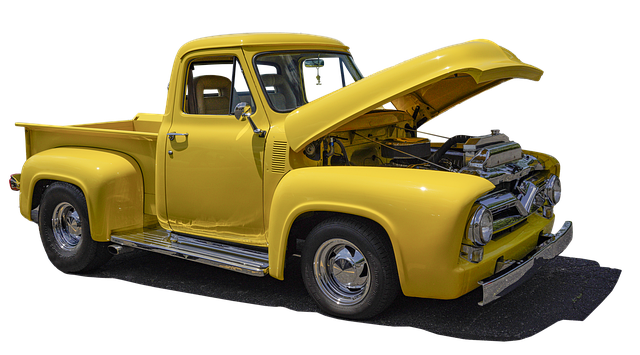
Once you’ve gathered all necessary documents and passed the vehicle inspection, it’s time to finalize your car registration process in California. This stage involves making the required payments and acquiring your license plates. The California Department of Motor Vehicles (DMV) offers several convenient options for this final step. Online registration is available through the DMV website or the official CA DMV mobile app, allowing you to complete the transaction from the comfort of your home or on-the-go. Alternatively, you can visit a local DMV field office and register in person.
Payment for car registration fees can be made online using a debit or credit card. The amount due will depend on various factors, including your vehicle’s make and model, age, and fuel type. It’s essential to ensure the accuracy of the Vehicle Identification Number (VIN) during this process. Utilize a trusted mobile VIN verifier to cross-reference the information with official records. This step is crucial for preventing fraud and ensuring you pay the correct fees. For instance, electric vehicles might have different registration costs based on their battery capacity.
After successfully submitting your application and making the necessary payments, you’ll receive your license plates via mail or, in some cases, can pick them up at a local DMV office. These plates are unique to your vehicle and will display your registration status. A mobile VIN inspection tool can help verify that the plates match your vehicle’s details. It’s vital to display these plates properly on your vehicle to avoid legal issues and fines. Remember, California has specific regulations regarding license plate placement for optimal visibility.
In navigating the process of registering a car in California, several key insights emerge from this comprehensive guide. First, prepare all necessary documents, including proof of ownership, identification, and vehicle information. Second, visit the California DMV, follow their step-by-step procedures, and ensure accurate VIN verification using a trusted dmv vin verifier to confirm vehicle identity. Third, understand title transfer requirements and any necessary smog tests for your vehicle. Finally, finalize registration by making the required payments and obtaining license plates. By adhering to these steps, individuals can efficiently complete their car registration in California, ensuring a smooth and legally compliant process.